Author: Automotive expert specializing in Chinese vehicles, with hands-on experience in diagnostics, maintenance, and real-world operation of ICE, hybrid, and electric models.
avtomir.site Editorial Team · Reviewed and updated July 2026
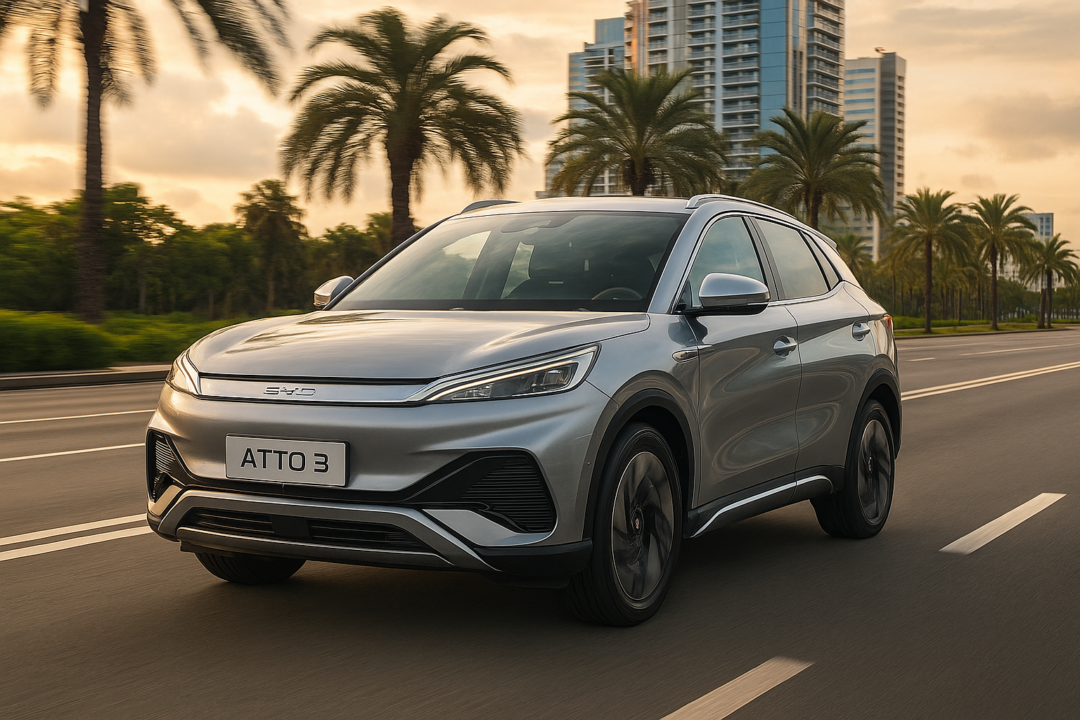
The BYD Atto 3 (sold in China as the Yuan Plus) is one of the best‑selling compact electric SUVs globally, built on BYD’s e‑Platform 3.0 with the LFP‑chemistry Blade Battery. Like any EV, it needs far less routine servicing than a combustion car — no oil changes, no spark plugs, no exhaust or timing components — but it isn’t maintenance‑free. Brakes, tyres, coolant, the 12V auxiliary battery, and the reduction‑gear (EHS) oil still need scheduled attention, and skipping service can affect warranty cover.
This guide sets out the documented service schedule, real warranty terms, and genuine owner feedback — with unverifiable statistics and invented owner personas removed from an earlier draft of this article.
Service intervals vary by market. Standard practice in Australia and New Zealand is every 12 months or 20,000 km, with a free initial check at roughly 3 months/5,000 km. Some European distributors have since moved to a 24‑month/30,000 km cycle. Always confirm the interval and covered items against your local BYD distributor’s owner’s manual — schedules differ by region and have changed over time.
Battery health: periodic diagnostic scans catch developing issues before they affect range or safety.
Braking system:regenerative braking reduces pad and disc wear significantly, but the hydraulic circuit, fluid, and mechanical parking brake still need inspection.
Tyres: EVs are heavier than comparable combustion cars because of the battery pack, which tends to accelerate tyre wear; rotation roughly every 10,000 km is the general recommendation.
Software: dealers can apply over‑the‑air or dealer‑pushed firmware updates during a service visit.
Warranty protection: using non‑genuine parts or skipping scheduled items can affect warranty claims.
Service schedule
The table below reflects BYD’s published Atto 3 service‑plan structure (Australia/New Zealand documentation) and the vehicle’s on‑board maintenance reminder system, which tracks whichever comes first — distance or time.
Interval
Typical scope
Notes
~3 months / 5,000 km (first service)
Initial safety and diagnostic check, general inspection
Often provided free of charge by the distributor
12 months / 20,000 km
Standard scheduled service: brake inspection, tyre check and rotation, fluid levels, high‑voltage system diagnostic scan, software check
Standard-kilometre plan; capped‑price servicing has averaged around A$298.75 per visit under BYD Australia’s published service‑plan pricing
24 months / 40,000 km
All 12‑month items plus deeper inspection of coolant, brake fluid condition, suspension, and 12V battery
Coincides with the end of the 12V battery’s typical 18‑month/40,000 km cover in some markets
Every 4 years (or per manual)
EHS reduction‑gear oil and filter change
Per BYD’s published Atto 3/Dolphin service schedule
Ongoing, every ~10,000 km
Tyre rotation and alignment check
Independent of the main service interval
A lower‑kilometre service plan is also offered in some markets (roughly 12 months/12,000 km), aimed at owners who drive less than average; if actual mileage overtakes the plan’s distance cap, pricing reverts to the standard‑kilometre schedule.
Warranty coverage
Coverage
Term
Notes
Vehicle warranty
6 years / 150,000 km
Covers the vehicle generally, with standard exclusions (wear items, non‑genuine parts, accident damage)
Blade Battery warranty
8 years / 160,000 km
Guarantees retention of at least 70% state of health over the warranty term
12V auxiliary battery
Shorter, separate cover (varies by market, commonly around 1.5 years or a lower distance cap)
Owner reports suggest early 12V failures are not unusual — see owner feedback below
Out‑of‑warranty replacement of the main traction battery is a major cost if it’s ever needed — independent estimates in Australia put a full pack replacement at roughly A$18,000–26,000 including labour — which is part of why keeping up with scheduled diagnostics matters even though EVs need less routine maintenance overall.
Owner feedback
The comments below are paraphrased summaries of publicly posted owner discussions found on Drive2.ru (Russian‑language), presented for general context. They reflect individual experiences and regional service practices, not a scientific sample, and may not apply to your market or vehicle. Read the original posts via the links in the Sources section.
One Atto 3 owner who switched from a plug‑in hybrid described it as the best‑selling EV in its class and noted the car’s dimensions closely matched their previous vehicle, which mattered for a family car — an ordinary, low‑drama account of the switch to full‑electric ownership (Drive2.ru, Russian‑language).
A separate long‑running Drive2.ru owner community thread on the Atto 3 notes that, based on monitoring a local owners’ Facebook group, quite a few 12V auxiliary batteries fail before reaching the end of their own shorter warranty period (around 1.5 years or 40,000 km in that market) — consistent with the auxiliary‑battery caveat above rather than an isolated case (Drive2.ru, Russian‑language).
The same community also recorded a concrete example of how service intervals can change after launch: the local importer revised the recommended schedule from once a year or 20,000 km to once every two years or 30,000 km, mirroring the shift some European markets have made (Drive2.ru, Russian‑language).
A separate owner thread on general BYD ownership (not Atto 3‑specific) described routine fluid and filter changes during early servicing without incident, reflecting a straightforward first‑service experience typical of the wider BYD range (Drive2.ru, Russian‑language).
Owner tips between services
Keep tyre pressure checked monthly; rotate roughly every 10,000 km.
Favour AC charging for daily use and keep state of charge mostly between 20–80%, reserving 100% charges for long trips, per BYD’s own battery‑care guidance.
Don’t ignore the 12V battery — a flat auxiliary battery can strand the car even with a full traction battery, and owner reports suggest it’s a genuine early‑failure point.
Keep firmware up to date via dealer visits or over‑the‑air updates where available.
Use genuine BYD parts and fluids to avoid affecting warranty claims.
Conclusion
The Atto 3’s maintenance profile is genuinely lighter than a combustion SUV’s, but “EV” doesn’t mean “no service.” The documented schedule centres on brake, tyre, coolant, and high‑voltage diagnostic checks at 12‑month/20,000 km intervals (or the extended 24‑month/30,000 km cycle some markets have since adopted), a 4‑year EHS oil change, and close attention to the 12V battery, which owner reports flag as the most common early‑failure item. The 6‑year vehicle and 8‑year/160,000 km battery warranties (with a 70% state‑of‑health guarantee) provide solid backing, provided the vehicle is serviced on schedule with genuine parts.
No engine oil changes, since there’s no combustion engine. The Atto 3 does use a small quantity of EHS reduction‑gear oil for the electric drive unit, which BYD’s published schedule calls for changing roughly every 4 years.
How often should the Atto 3 be serviced?
The standard interval documented by BYD’s Australian service‑plan literature is every 12 months or 20,000 km, whichever comes first, with an initial free check around 3 months/5,000 km. Some European markets have since moved to a 24‑month/30,000 km cycle — confirm which applies in your market.
What does a standard service include?
Brake inspection, tyre check and rotation, fluid‑level checks, a high‑voltage system diagnostic scan, and a software/firmware check. Deeper checks — coolant, brake fluid replacement, suspension, 12V battery — are added at the 24‑month/40,000 km interval.
How much does servicing cost?
Under BYD Australia’s published capped‑price service plan, the standard‑kilometre plan has averaged around A$298.75 per visit; a lower‑kilometre plan aimed at light drivers has been offered at a fixed lower rate. Costs elsewhere depend on the local distributor’s pricing — ask your dealer for a current capped‑price schedule.
Does skipping a service affect the warranty?
It can. BYD’s warranty terms require services to be carried out by an authorised dealer using genuine parts and fluids; missed or non‑genuine servicing is a common reason warranty claims are challenged.
Is the 12V battery really a weak point?
Owner discussions suggest early 12V auxiliary battery failures are not unusual, sometimes before the end of the battery’s own (shorter) warranty period. It’s worth having it checked at every service, particularly before winter or after the car has sat unused for an extended period.
What’s covered by the battery warranty?
BYD’s Blade Battery warranty runs 8 years or 160,000 km and guarantees at least 70% state‑of‑health retention over that term. This is separate from the 6‑year/150,000 km whole‑vehicle warranty and from the shorter 12V auxiliary‑battery cover.
Should I charge to 100% every day?
BYD’s own guidance favours keeping daily charging in the 20–80% range on AC power, reserving 100% charges for longer trips, to support long‑term battery health.
Sources
This article draws on published BYD service‑plan documentation, independent servicing guides, and publicly posted owner discussions.
Reviewed against current sources as of July 2026. Service intervals, pricing, and warranty terms vary by market and may change; always confirm against your local BYD distributor’s current documentation.
🔧 Need car repair or diagnostics?
Discounts on maintenance, diagnostics, and spare parts for Chinese cars at official dealers and trusted services.